Positive Learning in the Workplace: Building Skills, Confidence and Performance
Table of Contents
- Introduction
- What is Positive Learning?
- Why Positive Learning Matters
- Elements of Positive Learning
- Techniques for Creating a Positive Learning Environment
- Learner Performance Indicators
- Learning Principles
- Advantages of Positive Learning
- Potential Barriers to Learning
- Contemporary Learning Approach
- Positive Learning Across Different Age Groups
- Creating a Culture of Continuous Learning
- Conclusion

Introduction
Employees across industries and service provider organizations are required to undergo induction, orientation, and job-specific training as part of their professional development. These training programs help employees strengthen their skills, improve competence, and apply their knowledge effectively in the workplace. The competence management cycle focuses on identifying training needs, developing capability, evaluating learning effectiveness, and continuously improving both individual and team performance. A positive learning environment plays a vital role in achieving these objectives by encouraging participation, enhancing knowledge retention, and supporting continuous improvement.
What is Positive Learning?
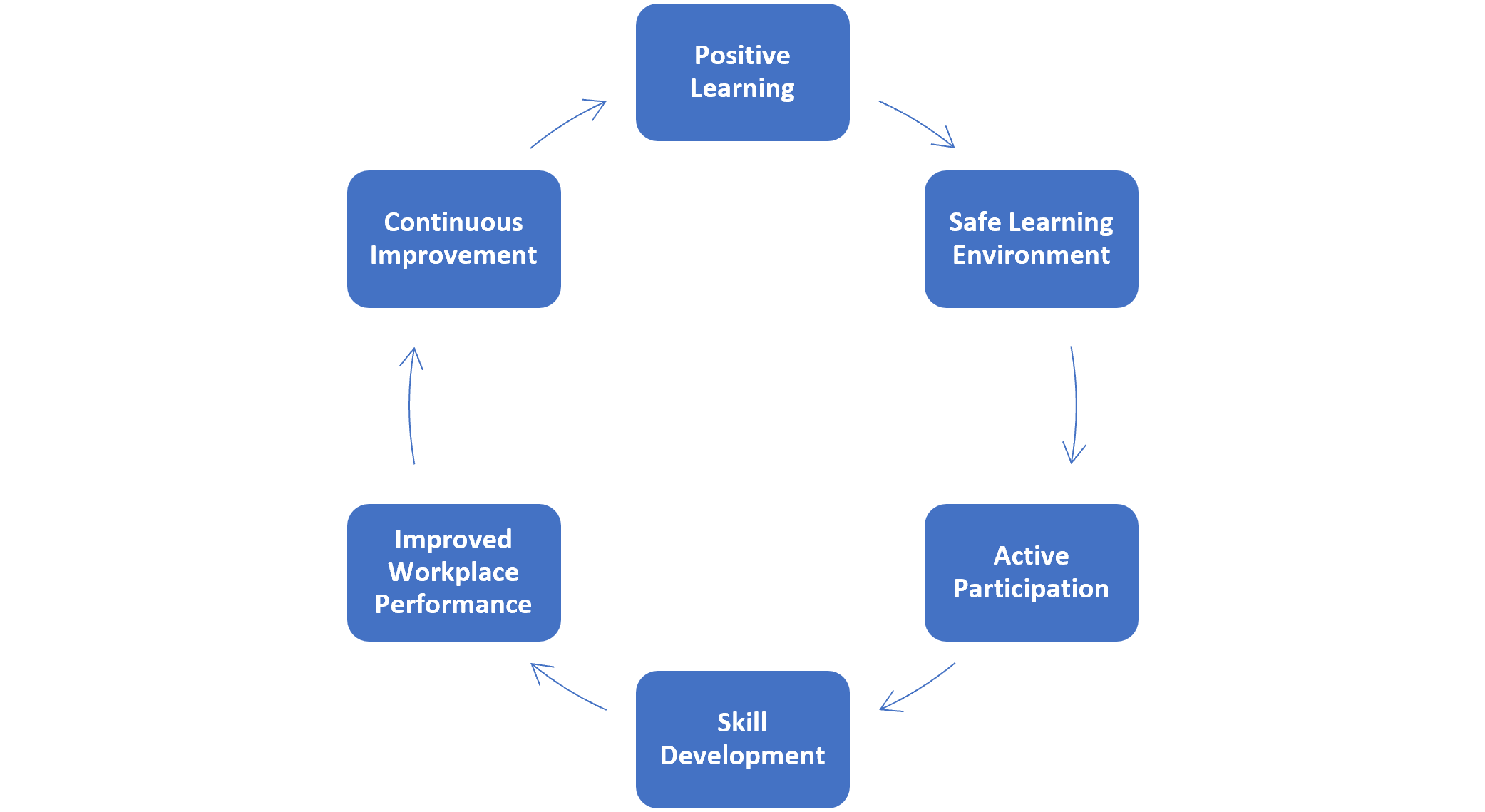
Positive learning is a supportive, engaging, and encouraging learning approach that promotes confidence, competence, and continuous improvement.
Modern workplaces recognize that every learner is unique. Adult learners often possess different personalities, experiences, attitudes, biases, inhibitions, and learning preferences. Therefore, creating a positive learning environment helps individuals optimize learning, maximize retention, and progress more effectively throughout their learning journey.
Why Positive Learning Matters
A positive learning environment helps learners:
- Build confidence
- Improve workplace competence
- Learn without fear of failure
- Enhance communication
- Increase engagement
- Develop problem-solving skills
- Improve safety performance
- Support continuous improvement
Elements of Positive Learning
A positive learning environment is built upon the following essential elements:
- Encouragement rather than criticism
- Active participation and engagement
- Recognition of achievements and progress
- Learning from mistakes without fear
- Respectful and supportive interactions
- Mistakes treated as learning opportunities
- Focus on strengths and continuous improvement
- Every learner valued regardless of background or ability
- Open and positive communication between trainers and learners
- Psychological safety to express ideas and ask questions
- Participation in discussions and practical activities
- Clearly understood rules, goals, and responsibilities
- Opportunities for learners to make decisions based on their interests and abilities
- Well-planned and engaging teaching techniques
- Active and attentive learner participation
- Individual interaction between trainers and learners
- Clear task orientation and organized instructions
- Regular assessment of learner satisfaction
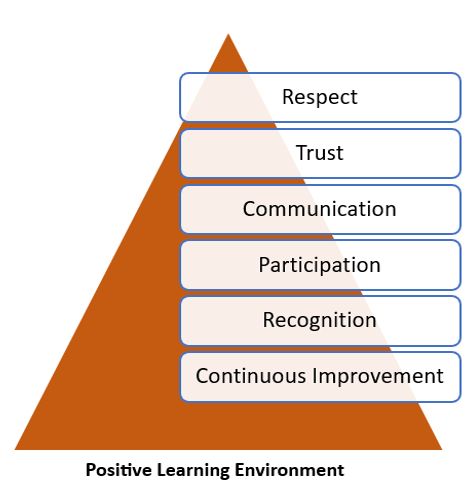
Techniques for Creating a Positive Learning Environment
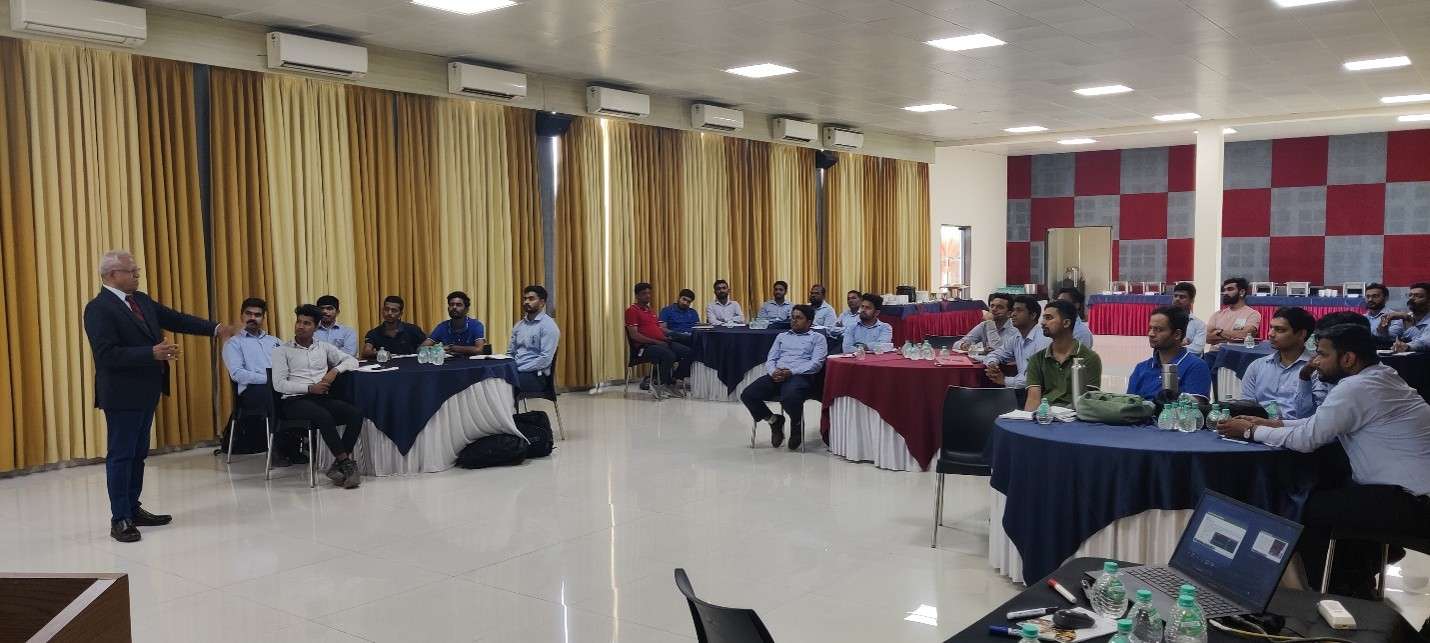
Creating a positive learning environment requires more than delivering information it involves fostering an atmosphere where learners feel respected, motivated, and actively engaged. An effective trainer builds mutual respect and trust by treating every learner fairly and encouraging open communication. Learners should feel comfortable expressing their ideas, asking questions, and participating in discussions without fear of criticism. Recognizing achievements, using positive reinforcement, and providing constructive feedback help boost confidence and motivate learners to perform better.
A welcoming and well-organized learning environment plays a significant role in improving concentration and participation. Trainers should ensure that all learners receive equal opportunities to contribute, regardless of their background, experience, or learning ability. Supporting diverse learning styles by adapting teaching methods and using inclusive instructional techniques enables every learner to understand concepts effectively. Building strong trainer–learner relationships also creates a sense of belonging, trust, and collaboration, making the learning experience more meaningful and enjoyable.
Interactive learning approaches significantly enhance knowledge retention and practical understanding. Trainers should use effective presentation skills combined with group discussions, role plays, practical demonstrations, hands-on activities, case studies, and real-world problem-solving exercises. These methods encourage learners to think critically, apply theoretical concepts in practical situations, and actively participate in the learning process. Effective use of learning resources, such as visual aids, digital tools, videos, models, and simulations, further enriches the learning experience.
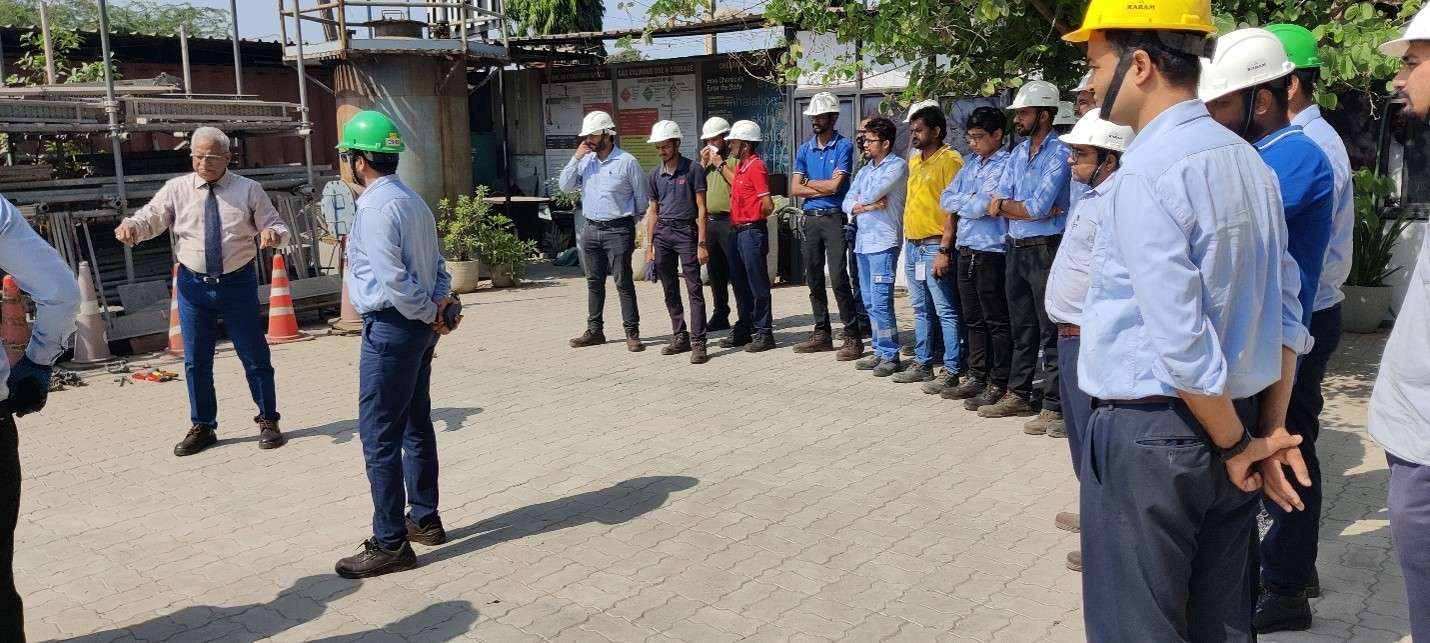
Communication is another essential element of a positive learning environment. Trainers should pay close attention to both verbal and non-verbal communication to understand learner engagement, identify confusion, and respond appropriately. Encouraging two-way communication allows learners to seek clarification, share their experiences, and contribute valuable insights. Trainers should explain complex concepts clearly, modify presentations according to learner needs, and regularly summarize key points throughout the session to reinforce understanding and improve knowledge retention.
Continuous monitoring and assessment help ensure that learning objectives are achieved effectively. Trainers should regularly observe learner progress through practical activities, discussions, and formative assessments that provide immediate feedback on performance. These assessments help identify learning gaps, allowing trainers to adjust their teaching strategies accordingly. Additionally, embracing the diversity within a learning group as a valuable resource encourages collaboration, knowledge sharing, and the exchange of different perspectives. Such an inclusive and supportive learning environment not only enhances individual competence but also develops teamwork, confidence, and a culture of continuous improvement, ultimately leading to better workplace performance and safer professional practices.
Learner Performance Indicators
A positive learning environment leads to measurable improvements in both individual and organizational performance. When learners are actively engaged, motivated, and provided with the right learning opportunities, they are better equipped to apply their knowledge and skills in real workplace situations. One of the most significant indicators of successful learning is increased productivity, as competent employees perform tasks more efficiently and confidently. Effective learning also helps reduce errors, rework, and operational inefficiencies by enabling learners to understand processes correctly and follow established procedures.
Positive learning further contributes to improved quality of work, as employees develop a better understanding of standards, best practices, and quality requirements. In industries where health, safety, and operational excellence are critical, enhanced learning results in better safety performance by encouraging safe work practices, hazard awareness, and compliance with safety procedures. Organizations also benefit from reduced operational downtime because trained employees can identify potential issues early, solve problems more effectively, and minimize disruptions to business operations. Ultimately, these improvements lead to higher customer satisfaction, as products and services are delivered more consistently, efficiently, and with improved quality. These learner performance indicators demonstrate the direct impact of positive learning on workplace effectiveness, organizational growth, and long-term business success.
Learning Principles
Effective learning is founded on principles that encourage active participation, practical application, and continuous personal and professional development. Adult learners are most successful when they take responsibility for their own learning, making self-directed and actively involved learning an essential principle. Learning becomes more meaningful when it is relevant to workplace responsibilities and focuses on practical application rather than theoretical knowledge alone. Knowledge transfer, experience sharing, and experiential learning enable learners to connect new concepts with real-life situations, making learning more effective and easier to retain.
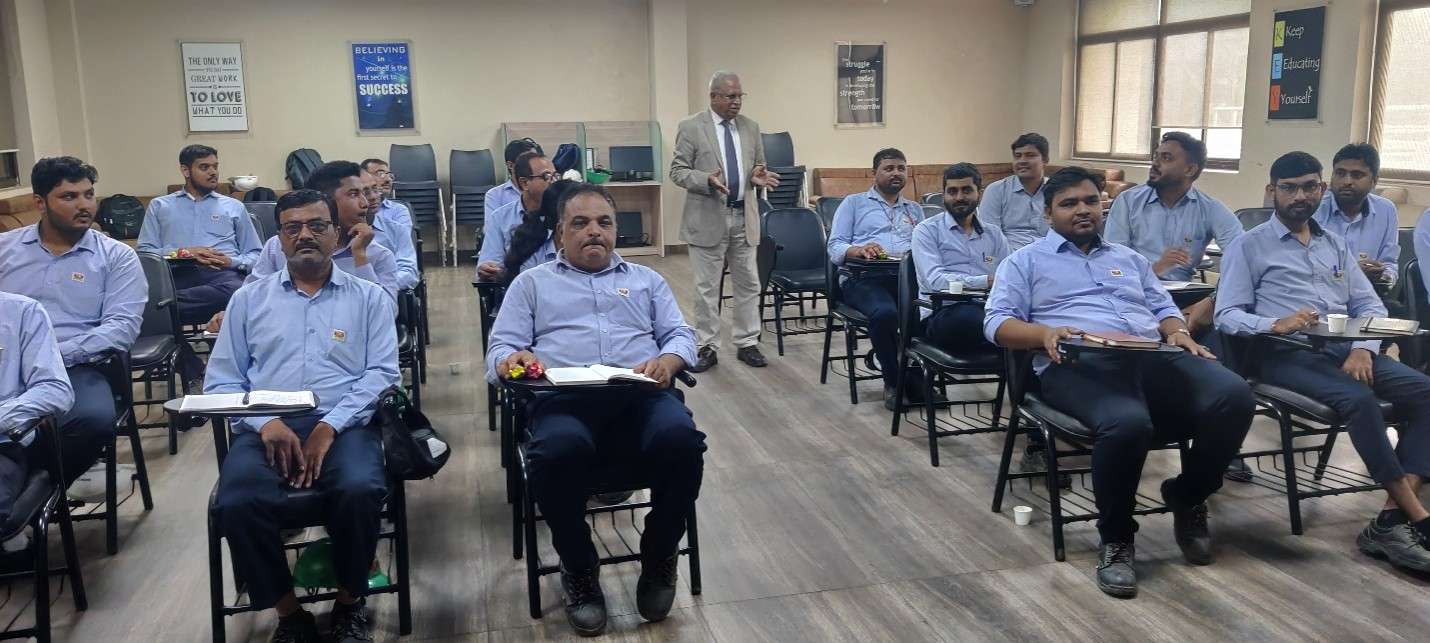
Continuous practice, problem-solving, and immediate workplace relevance further strengthen the learning process by allowing learners to apply newly acquired knowledge and skills in practical situations. Clearly defined and measurable learning outcomes help learners understand expectations while enabling trainers to assess progress effectively. Learning should also contribute to the development of positive attitudes, values, ethics, and professional behaviours, in addition to enhancing technical knowledge and skills. Active participation, learner motivation, and effective trainer facilitation create an engaging learning experience that encourages curiosity, confidence, and continuous improvement.
A successful learning environment is built on trust, mutual respect, collaboration, and open communication between trainers and learners. Inclusive learning practices ensure that every learner is respected and provided with equal opportunities regardless of background, experience, or ability. Trainers should adopt creative, interactive, and engaging teaching methods that accommodate diverse learning styles and encourage participation. Reinforcing positive behaviours through constructive feedback and recognition helps learners build confidence, strengthen workplace competencies, and sustain continuous improvement. By applying these learning principles, organizations can develop skilled, motivated, and safety-conscious professionals who contribute to higher productivity, improved quality, stronger safety performance, and long-term organizational success.
Potential Barriers to Learning
Learning effectiveness may be affected by several barriers:
- Physical or intellectual disabilities
- Hearing or visual impairments
- Cultural and linguistic differences
- Language and communication challenges
- Technical jargon
- Lack of attention or interest
- Workplace distractions
- Differences in perception
- Expectations and prejudices
- Stereotyping
- Age-related learning challenges
Contemporary Learning Approach
Modern learning should focus on solving practical workplace and real-life problems rather than memorizing information. Learning approaches such as practical learning, experiential learning, autonomous learning, motivating learning, relevant learning, and goal-oriented learning help develop a growth mindset and improve professional competence.
Positive Learning Across Different Age Groups
Younger learners generally grasp new concepts more quickly due to broader perspectives and greater adaptability. Older learners often possess valuable experience; however, existing beliefs and preconceived notions may sometimes influence the learning process. Effective training methods should therefore accommodate learners across all age groups.
Creating a Culture of Continuous Learning
A positive learning environment promotes personal development and well-being by making learners feel respected, valued, engaged, and supported.
It encourages:
- Active participation
- Collaboration
- Open communication
- Continuous feedback
- Confidence building
- Personal growth
Positive learning empowers individuals to ask questions, share experiences, participate in discussions, and view mistakes as opportunities for improvement. This approach develops knowledge, practical skills, and positive workplace behaviors within a supportive environment.
Conclusion
Positive learning is more than a training methodology it is a culture that empowers learners to develop knowledge, skills, confidence, and professional competence. By fostering respect, collaboration, engagement, and continuous improvement, organizations can create learning environments that enhance individual performance, improve workplace safety, and contribute to long-term organizational success.
FAQs
What is positive learning?
Positive learning is an approach that encourages learners through supportive, engaging, and motivating learning experiences to improve knowledge, skills, and workplace performance
Why is a positive learning environment important?
It improves learner engagement, confidence, knowledge retention, safety performance, communication, and continuous improvement.
What are the key elements of positive learning?
Key elements include mutual respect, active participation, recognition, open communication, psychological safety, constructive feedback, and continuous improvement.
What are the common barriers to learning?
Common barriers include language differences, disabilities, distractions, communication challenges, cultural differences, technical jargon, and age-related learning challenges.
How can organizations create a positive learning environment?
Organizations can promote respect, interactive learning, learner participation, coaching, mentoring, practical exercises, effective communication, and continuous feedback.
How should learning effectiveness be evaluated?
Learning effectiveness can be assessed through quizzes, projects, presentations, interviews, practical assessments, questionnaires, and formative evaluations.