SSDF’s Contribution to Sustainable Development Goals (SDGs)
Table of Contents
1. Introduction
2. Understanding the Sustainable Development Goals (SDGs)
3. About SSDF: Building India’s Safety Skill Ecosystem
4. SSDF Training & Skill Development Ecosystem
5. Partnerships & Collaborative Growth
6. SSDF’s 5-Year Journey: Milestones & Achievements
7. SSDF’s Contribution to Sustainable Development Goals (SDGs)
- SDG 3 – Good Health & Well-Being
- SDG 4 – Quality Education
- SDG 8 – Decent Work & Economic Growth
- SDG 9 – Industry, Innovation & Infrastructure
- SDG 17 – Partnerships for the Goals
8. Transforming India’s Safety Culture
9. The Road Ahead: SSDF’s Vision for the Future
10. Conclusion
Celebrating 5 Years of Building a Skilled, Safer & Sustainable India
As industries evolve and economies expand, the need for a safer, skilled, and sustainable workforce has become more important than ever. Across the globe, organizations are aligning their efforts with the United Nations Sustainable Development Goals (SDGs) to create long-term social, environmental, and economic impact. In India, the demand for occupational safety, health, and environment (OSHE) professionals is rapidly increasing as industries recognize the importance of workplace safety, compliance, and sustainable growth.
The Safety Skill Development Foundation (SSDF) has emerged as a significant contributor to this transformation. Over the last five years, SSDF has played a vital role in strengthening India’s Environment, Health, and Safety (EHS) skill ecosystem by developing industry-focused qualifications, modern training systems, competency-based assessments, and certification programs. On the occasion of its 5-year celebration, SSDF reflects on a remarkable journey of empowering individuals, supporting industries, and contributing to India’s sustainable development agenda.
Understanding the Sustainable Development Goals (SDGs)
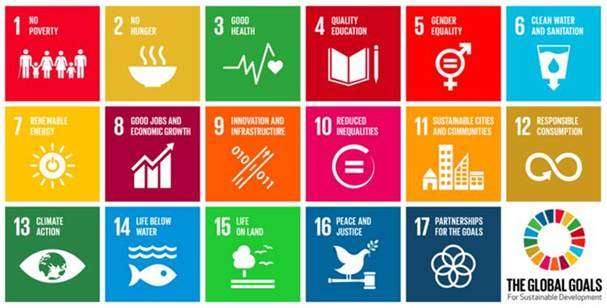
The Sustainable Development Goals (SDGs), adopted by the United Nations, are a global framework for promoting prosperity while protecting people and the planet. These 17 goals address major global challenges, including poverty, education, health, employment, industry innovation, and partnerships.
For a rapidly growing nation like India, achieving sustainable industrial development requires more than economic growth. It requires skilled professionals, safe workplaces, environmentally responsible practices, and continuous learning systems.
Occupational safety and skill development directly contribute to multiple SDGs by improving workforce quality, reducing workplace accidents, enhancing employability, and promoting responsible industrial growth.
About SSDF: Building India’s Safety Skill Ecosystem
The Safety Skill Development Foundation is a not-for-profit organization established under Section 8 of the Companies Act 2013. SSDF is recognized as an Awarding Body under the National Council for Vocational Education and Training (NCVET), Ministry of Skill Development & Entrepreneurship, Government of India.
SSDF was established with a clear vision: to create an industry-need-based skill ecosystem for safety professionals by developing internationally acceptable National Occupational Standards (NOS), training delivery systems, and assessment and certification processes aligned with the National Skill Qualification Framework (NSQF).
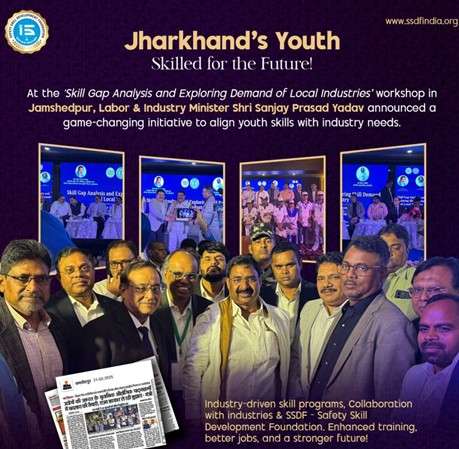
India has long faced a significant skill gap between industry requirements and workforce capabilities. While millions of young individuals seek employment opportunities, industries continue to face shortages of trained and competent safety professionals. SSDF works to bridge this gap through skill development, reskilling, and upskilling initiatives designed to meet both national and international industry standards.
SSDF Training & Skill Development Ecosystem
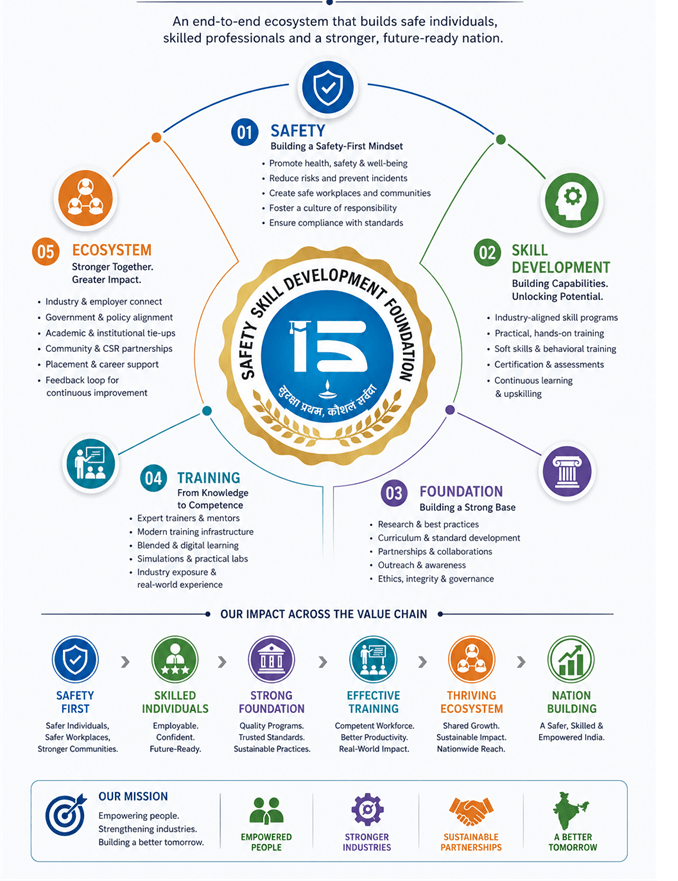
The Safety Skill Development Foundation (SSDF) Training & Skill Development Ecosystem is a comprehensive and continuous framework designed to build safer individuals, skilled professionals, and a stronger, future-ready nation. By integrating safety awareness, industry-aligned skill development, strong institutional foundations, practical training systems, and collaborative ecosystem partnerships, SSDF creates a holistic pathway for workforce empowerment and sustainable industrial growth. Through expert-led training, certifications, research, industry partnerships, academic collaborations, and continuous upskilling initiatives, SSDF supports the complete spectrum of industries while promoting safety culture, employability, innovation, and national development.
Partnerships & Collaborative Growth
The Safety Skill Development Foundation (SSDF) is dedicated to building a safer, skilled, and sustainable workforce by strengthening occupational safety, health, and environmental practices across diverse industries. Through industry-focused training, certifications, partnerships, and collaborative initiatives, SSDF empowers individuals, organisations, and communities with the knowledge and competencies required to create safer workplaces and stronger professional capabilities.
From construction and manufacturing to healthcare, logistics, energy, agriculture, retail, and public services, SSDF supports the full spectrum of industries by promoting a safety culture, workforce development, compliance excellence, and continuous learning to drive long-term growth and national progress.
SSDF’s 5-Year Journey: Milestones & Achievements
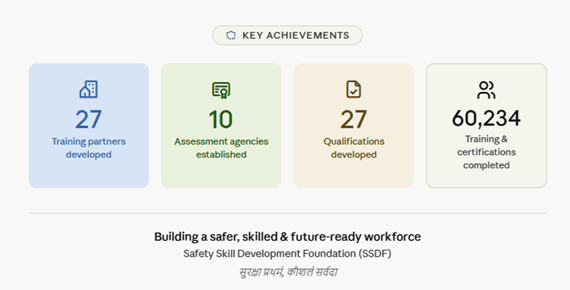
Over the past five years, SSDF has steadily expanded its reach and impact across the EHS domain.
These achievements reflect SSDF’s commitment to strengthening India’s occupational safety and skill development ecosystem.
SSDF has collaborated with training organizations, industries, professionals, and assessment bodies to create competency-based learning systems that prepare individuals for real-world industrial environments. Its qualifications are designed to address current and future industry needs while ensuring practical knowledge and technological competence.
SDG 3 – Good Health & Well-Being
One of the most direct contributions of SSDF aligns with SDG 3: Good Health & Well-Being.
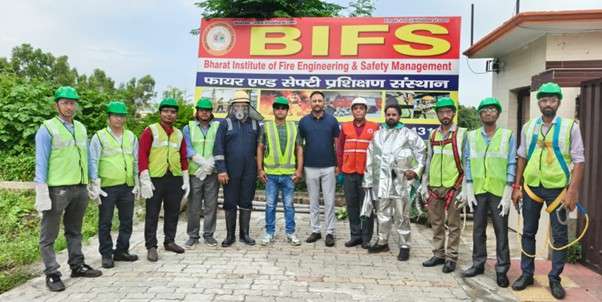
Unsafe workplaces continue to result in injuries, illnesses, and operational disruptions across industries. SSDF contributes to reducing workplace accidents and improving occupational health by providing safety-focused education and competency-based training programs.
Its initiatives help industries:
- Improve workplace safety culture
- Enhance hazard awareness
- Promote use of personal protective equipment (PPE)
- Reduce operational risks and incidents
- Strengthen health and safety compliance
By preparing trained safety professionals, SSDF supports healthier work environments and promotes employee well-being across industrial sectors.
Occupational Safety & Worker Well-Being
SDG 4 – Quality Education
Education is a key pillar of sustainable development, and SSDF strongly contributes to SDG 4: Quality Education.
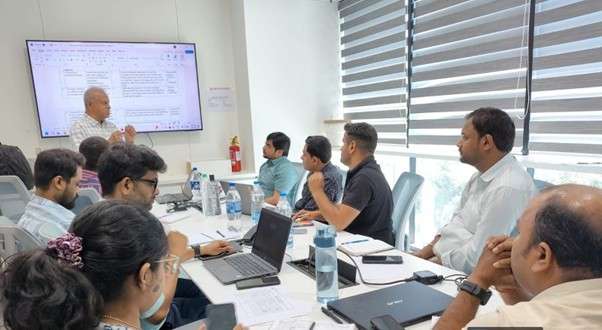
Traditional education systems often fail to provide practical, industry-ready skills. SSDF addresses this challenge by offering competency-based training programs aligned with NSQF standards and industry expectations.
Its learning ecosystem focuses on:
- Practical exposure and hands-on learning
- Industry-relevant qualification frameworks
- Modern assessment methodologies
- Professional competency development
- Continuous learning through reskilling and upskilling
SSDF empowers aspiring individuals, working professionals, and industries by providing accessible, structured, and quality education in occupational safety and health.
SDG 8 – Decent Work & Economic Growth
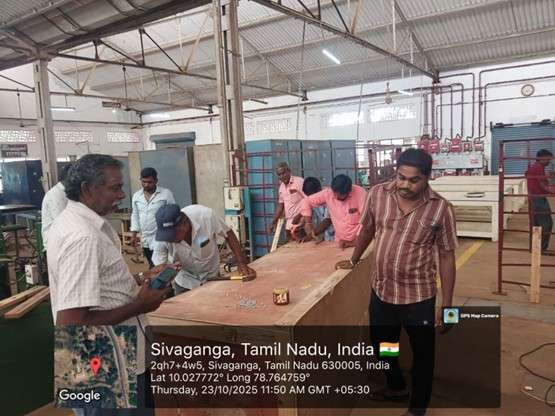
India’s economic growth depends heavily on the availability of skilled and employable manpower. Through its skill development initiatives, SSDF contributes significantly to SDG 8: Decent Work & Economic Growth.
By creating industry-ready safety professionals, SSDF helps organizations improve operational efficiency, reduce workplace disruptions, and strengthen productivity.
Its initiatives contribute to:
- Bridging the skill gap in India
- Increasing employability among youth
- Supporting industrial productivity
- Promoting decent and safe working conditions
- Encouraging professional growth opportunities
SSDF also aims to facilitate domestic and international placement opportunities for certified professionals, creating broader career pathways for India’s workforce.
Industry-Ready Workforce Development
SDG 9 – Industry, Innovation & Infrastructure
As industries modernize, the need for technologically competent safety professionals continues to rise. SSDF supports SDG 9: Industry, Innovation & Infrastructure by building modern and future-ready safety training systems.
The organization focuses on developing innovative qualification frameworks and assessment systems aligned with global practices. It also encourages technological competency among safety professionals to help industries adapt to evolving industrial environments.
SSDF’s contribution supports:
- Sustainable industrial development
- Modern safety management practices
- Competency-based infrastructure growth
- Innovation in EHS training and certification
- Technological readiness in industrial safety
Through continuous improvement and research-driven development, SSDF contributes to safer and more resilient industrial ecosystems.
SDG 17 – Partnerships for the Goals
Collaboration is essential for achieving sustainable development, and SSDF strongly supports SDG 17: Partnerships for the Goals.
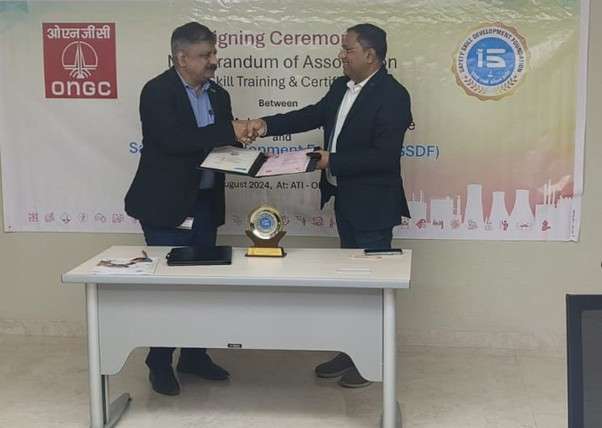
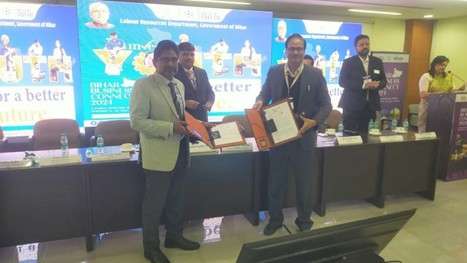
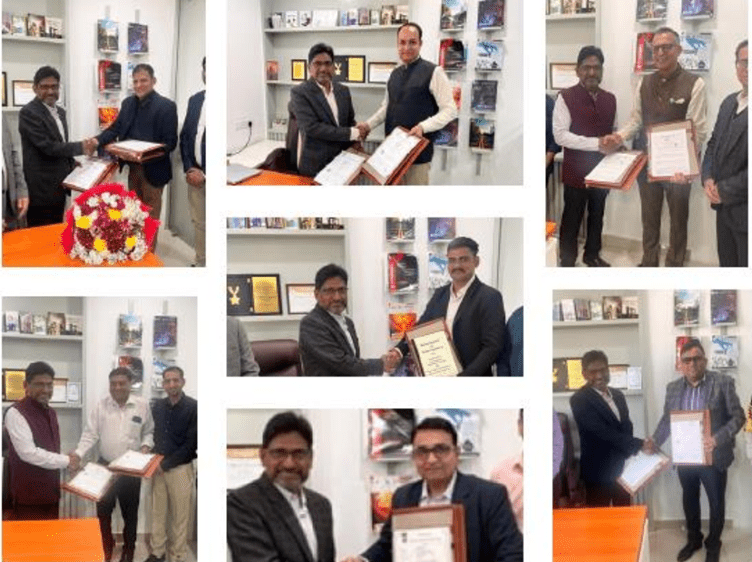
Over the last five years, SSDF has built a strong network of training partners, assessment agencies, industry experts, and organizations working collectively to strengthen India’s EHS ecosystem.
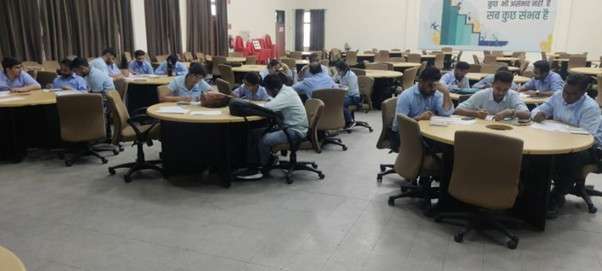
Its collaborative approach enables:
- Development of industry-relevant qualifications
- Wider outreach for training and certification
- Knowledge sharing and expertise exchange
- Stronger implementation of skilling initiatives
- International benchmarking opportunities
Partnerships remain a key driver in SSDF’s mission to create a globally competent and sustainable safety workforce.
Transforming India’s Safety Culture
Beyond certifications and training numbers, SSDF’s larger contribution lies in transforming safety culture across industries. The organization promotes a proactive approach where safety becomes an integral part of workplace behavior rather than just a compliance requirement. Through skill development and awareness initiatives, SSDF encourages industries and professionals to prioritize prevention, preparedness, and continuous improvement.
Its long-term vision is to establish India as a global leader in occupational safety competency and sustainable workforce development.
The Road Ahead: SSDF’s Vision for the Future
As SSDF enters the next phase of growth, the organization remains committed to expanding its contribution toward sustainable development.
Future priorities include:
- Expanding qualification frameworks
- Increasing industry partnerships
- Strengthening digital learning systems
- Enhancing international collaboration
- Promoting advanced EHS competency development
- Supporting India’s sustainable industrial transformation
SSDF aims to continue empowering youth, professionals, and industries through quality training, certification, and skill development initiatives that create lasting social and economic impact.
Conclusion
The journey of the Safety Skill Development Foundation over the past five years reflects a strong commitment toward building a safer, skilled, and sustainable India. By aligning its mission with the Sustainable Development Goals (SDGs), SSDF has contributed not only to workforce development but also to occupational health, industrial growth, quality education, and collaborative progress. From developing qualifications and training ecosystems to certifying over 60,000 professionals, SSDF continues to create meaningful impact across industries and communities. As India moves toward a more sustainable and industrially advanced future, organizations like SSDF will play a critical role in shaping competent professionals, safer workplaces, and a stronger national safety culture.
Building a Safer Future Together
FAQs
What is the Safety Skill Development Foundation (SSDF)?
The Safety Skill Development Foundation (SSDF) is a not-for-profit organization established under Section 8 of the Companies Act 2013. Recognized by NCVET under the Ministry of Skill Development & Entrepreneurship, Government of India, SSDF focuses on developing occupational safety, health, and environmental (OSHE) skills through training, assessment, certification, and industry collaboration.
How does SSDF contribute to the Sustainable Development Goals (SDGs)?
SSDF contributes to multiple Sustainable Development Goals, including SDG 3 (Good Health & Well-Being), SDG 4 (Quality Education), SDG 8 (Decent Work & Economic Growth), SDG 9 (Industry, Innovation & Infrastructure), and SDG 17 (Partnerships for the Goals) through workforce development, safety training, employability enhancement, and collaborative industry initiatives.
What industries does SSDF support?
SSDF supports a wide range of industries, including construction, manufacturing, oil & gas, infrastructure, logistics, healthcare, mining, energy, agriculture, retail, and public services by providing sector-specific safety and skill development programs.
What types of training and certifications does SSDF offer?
SSDF offers competency-based training, safety certifications, NSQF-aligned qualifications, industry-focused EHS programs, reskilling and upskilling initiatives, workplace safety training, and assessment-based certification systems designed to meet national and international industry standards.
Why is occupational safety and skill development important for sustainable growth?
Occupational safety and skill development help reduce workplace accidents, improve employee well-being, increase productivity, enhance employability, and support sustainable industrial growth. A skilled and safety-conscious workforce contributes directly to stronger industries and long-term economic development.
What is SSDF’s vision for the future?
SSDF aims to strengthen India’s safety and skill ecosystem by expanding qualification frameworks, increasing industry partnerships, promoting digital learning systems, enhancing international collaborations, and developing future-ready EHS professionals to support a safer and sustainable India.