Your Health, Your Work: Where the Two Intersect
1. Introduction
2. Understanding Occupational Health
3. Why It Matters Today
4. Key Components of Occupational Health Programs
- Workplace Risk Assessments
- Ergonomics and Injury Prevention
- Mental Health and Stress Management
- Health Surveillance and Screening
- Occupational Hygiene & Environmental Controls
5. Occupational Health as a Cultural Shift
6. Conclusion: Investing in Health Is Investing in People
Understanding How Workplace Health Shapes People, Performance, and Organizational Well-being
Introduction
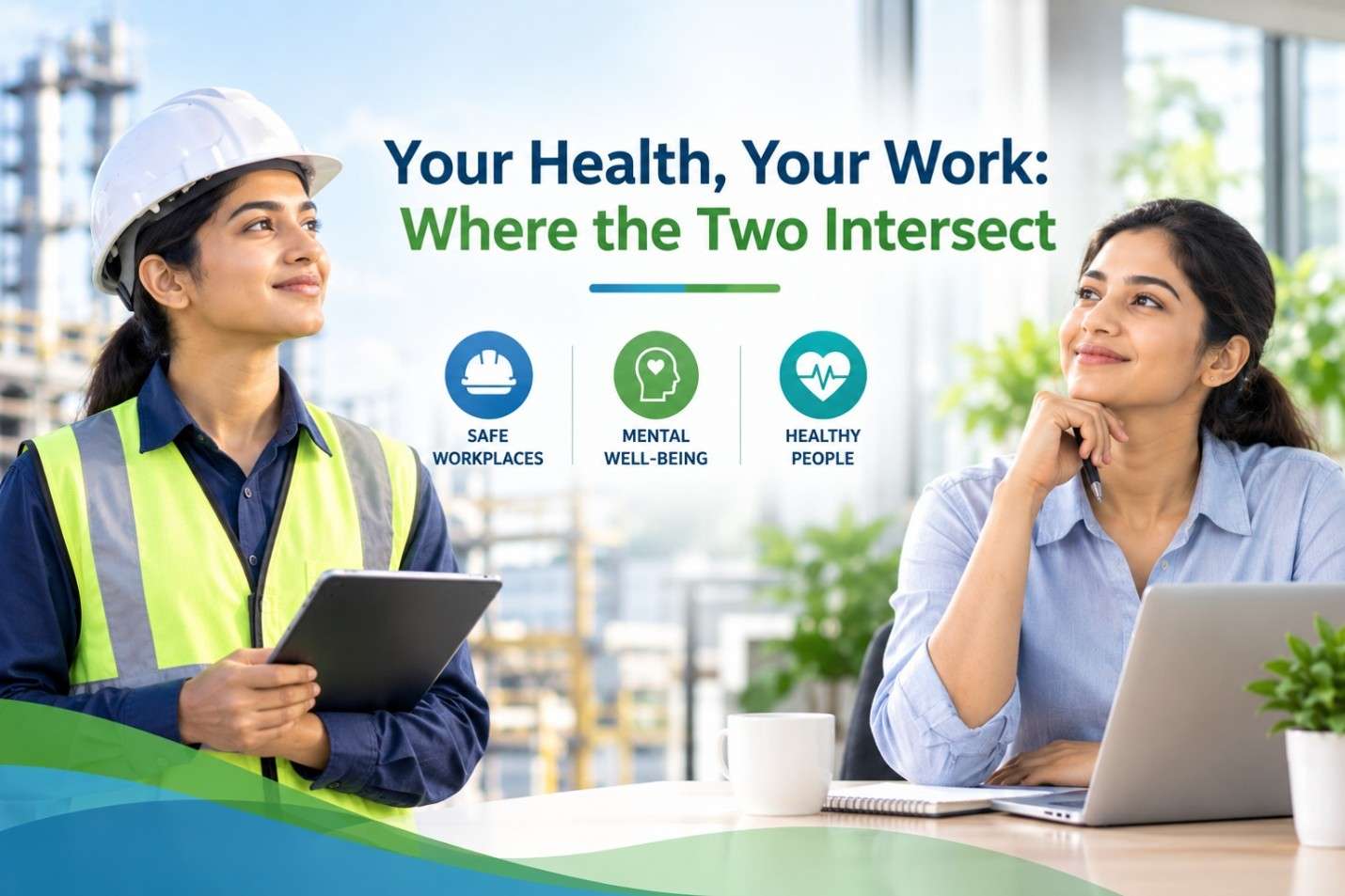
A safe workplace is not only a place where accidents are prevented. It is also a place where people can work without compromising their physical health, mental well-being, or quality of life. As workplaces continue to change with new technologies, faster work processes, increased workloads, and changing employee expectations, occupational health is becoming increasingly important. Employees may face risks that are not always immediately visible, such as stress, fatigue, poor ergonomics, exposure to harmful substances, and unhealthy working conditions.
This makes occupational health more than just a regulatory requirement. It is an important part of creating a healthy, productive, and sustainable workplace. By identifying health risks early and taking appropriate preventive measures, organizations can protect their people while also improving workplace performance.
Occupational health is therefore a shared responsibility. Employers, employees, and safety professionals all have a role to play in building workplaces where people can work safely, stay healthy, and perform at their best.
1. Understanding Occupational Health
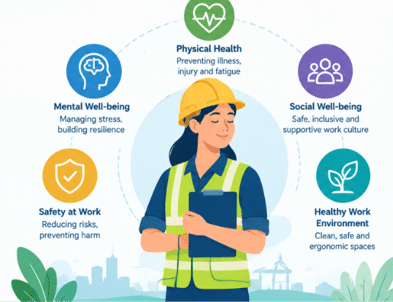
Occupational health refers to the promotion and maintenance of the highest degree of physical, mental, and social well-being of workers in all occupations. It encompasses initiative-taking strategies that go beyond treating illness, aiming instead to prevent harm, promote wellness, and foster a work culture that values health. From ergonomic interventions and hazard control to mental health support and lifestyle initiatives, occupational health is the backbone of workplace wellness infrastructure.
2. Why It Matters Today
In today’s fast-paced, digitally connected world, workers are exposed not only to physical risks, such as chemical exposure or repetitive strain injuries, but also psychosocial risks, including stress, burnout, and digital fatigue. Some alarming global statistics reveal:
- Over 2.7 million workers die annually from occupational accidents or diseases (ILO).
- Mental health-related productivity loss is rising, costing billions in missed workdays and disengagement.
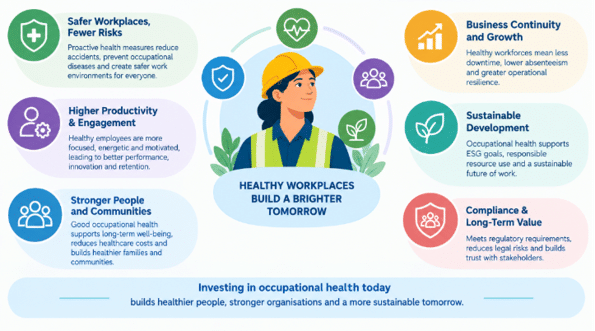
A strong occupational health system helps organisations:
- Reduce absenteeism and turnover.
- Enhance morale and retention.
- Build resilience and mental well-being.
- Increase overall productivity and compliance.
3. Key Components of Occupational Health Programs
- Workplace Risk Assessments: Identify, assess, and mitigate physical and chemical hazards in the work environment.
- Ergonomics and Injury Prevention: Design workstations and workflows that reduce physical strain and promote efficiency.
- Mental Health and Stress Management: Incorporate counselling support, flexible schedules, and wellness programs to address emotional well-being.
- Health Surveillance and Screening: Periodic health check-ups, vaccination drives, and occupational disease monitoring to ensure early intervention.
- Occupational Hygiene & Environmental Controls: Ensure clean air, safe lighting, noise control, and hygiene standards at the workplace.
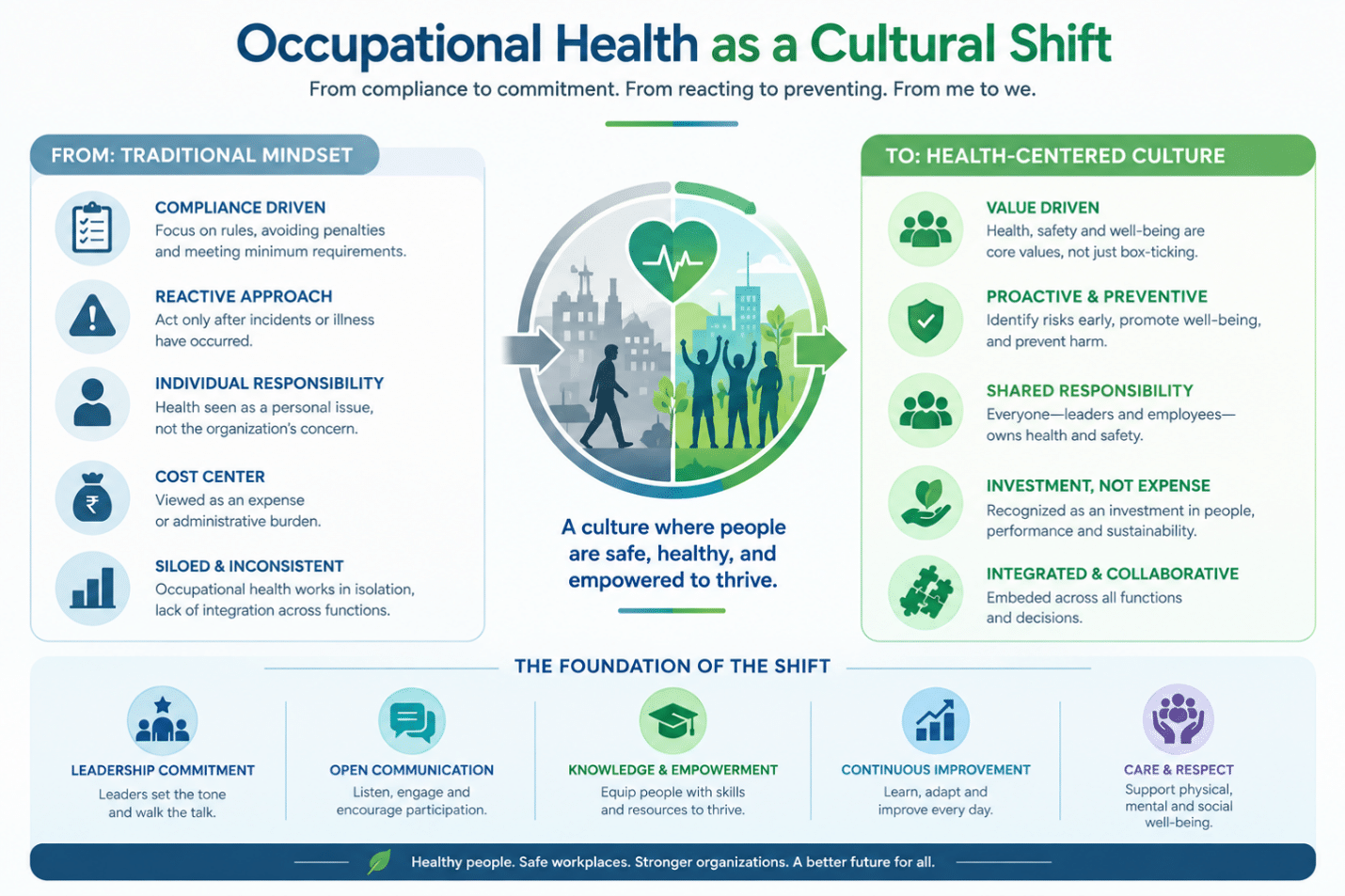
4. Occupational Health as a Cultural Shift
Progressive organisations are increasingly shifting from a compliance-based model to a care-based model. Rather than seeing occupational health as a cost centre, they view it as an investment in human capital. This shift calls for:
- Leadership commitment to health-centric policies
- Training programs for health awareness
- Creating psychologically safe environments
- Employee participation in health committees and initiatives
5. Key Components of an Effective Occupational Health Program
A strong occupational health program goes beyond medical check-ups. It requires a structured approach that combines leadership commitment, workplace risk management, employee participation, health promotion, and continuous improvement. The following components help organizations build a healthier and safer work environment.
- Management Leadership: Occupational health starts with commitment from the top. Management should establish clear policies, provide adequate resources, and demonstrate continuous support for workplace health and safety initiatives. When leadership gives importance to employee well-being, it helps create a stronger health and safety culture across the organization.
- Workplace Risk Assessment: Identifying health risks before they cause harm is an essential part of occupational health. Organizations should regularly assess workplace hazards, including physical, chemical, biological, ergonomic, and psychosocial risks. These assessments help identify potential problems and support the implementation of appropriate preventive measures.
- Health Promotion: Occupational health should also encourage employees to adopt healthier lifestyles. Awareness programs, wellness initiatives, health education, and activities that promote healthy habits can contribute to better physical and mental well-being.
- Preventive Health Services: Regular health screening and preventive healthcare can help identify potential health problems at an early stage. Depending on workplace risks, organizations may provide medical examinations, health screenings, vaccinations, and other preventive services to support employee health.
- Monitoring and Evaluation: An occupational health program should not remain static. Organizations need to monitor its performance, evaluate outcomes, and identify areas for improvement. Regular reviews and relevant health and safety indicators can help determine whether the measures being implemented are effective.
- Recordkeeping and Data Management: Accurate and confidential health records are important for managing occupational health effectively. Organizations should maintain appropriate records, protect employee information, and ensure that relevant documentation is managed in accordance with applicable legal and organizational requirements.
- Training and Education: Employees and managers need the knowledge and skills to understand workplace health risks and their responsibilities. Regular training and awareness programs can help employees recognize hazards, follow safe work practices, and take an active role in maintaining a healthy workplace.
- Communication and Employee Engagement: Occupational health works best when employees are actively involved. Organizations should create opportunities for employees to share concerns, provide feedback, participate in health and safety activities, and contribute to workplace improvement. Open communication can help identify issues that may otherwise remain unnoticed.
- Bringing It All Together: These components are closely connected. Leadership provides direction, risk assessment identifies hazards, preventive measures protect employees, and communication and training encourage participation. Monitoring and recordkeeping then help organizations evaluate their progress and continuously improve their occupational health programs.
Ultimately, the goal is simple: healthy workers, safe workplaces, and organizational well-being.
6. Conclusion: Investing in Health Is Investing in People
Occupational health is not a checkbox; it is a strategic pillar for sustainable business success. When employees feel physically safe and emotionally supported, they are more engaged, more innovative, and more committed.
In a world where human-centric values increasingly define the future of work, occupational health must take centre stage. By investing in workers’ well-being, we invest in the long-term strength and resilience of organisations and society.
FAQs
What is occupational health?
- Occupational health is a field focused on ensuring the physical, mental, and social well-being of workers. It includes strategies to prevent work-related injuries and illnesses, promote wellness, and create safe, supportive environments.
Why is occupational health important in modern workplaces?
Modern work environments pose not only physical risks but also psychological stressors such as burnout, anxiety, and digital fatigue. Occupational health addresses these holistically, enhancing employee morale, reducing absenteeism, and improving productivity.
How is occupational health different from general healthcare?
General healthcare focuses on treatment, while occupational health emphasizes prevention, hazard control, and adaptation of the workplace to suit the worker, reducing risks before they cause harm.
What role does mental health play in occupational health?
Mental health is a core pillar. Occupational health programs increasingly include mental well-being initiatives such as counselling, stress management workshops, and flexible work options to support psychological safety.
Are there legal requirements for occupational health?
Many countries mandate occupational health standards under labour laws. Employers are often legally required to conduct risk assessments, provide health surveillance, and ensure safe working conditions.
How can small businesses implement occupational health programs?
Start with basic steps like ergonomic workstations, regular health checkups, clear safety protocols, and open communication on mental well-being. Even low-cost interventions can have high impact.
Is occupational health only relevant for industrial or high-risk jobs?
Not at all. Occupational health is relevant across all sectors, from construction to IT, education to retail, because all workers face some form of physical or mental stress.
How can leadership influence occupational health outcomes?
Leaders set the tone by integrating health into organizational values, funding wellness programs, and modelling healthy behaviours. Their commitment is essential for cultural transformation.
What are some examples of occupational health programs?
Examples include ergonomic assessments, stress reduction workshops, vaccination drives, Employee Assistance Programs (EAPs), mental health first-aid training, and regular safety audits.
How does occupational health contribute to business success?
Healthy employees are more engaged, loyal, and productive. Occupational health reduces costs associated with injuries, illnesses, and absenteeism while improving brand reputation and employee satisfaction.